Car accidents happen in seconds, but the aftermath can be complicated and stressful. In Van Buren and Berrien Counties, Gardner Towing responds to dozens of accident calls every month. We know that people are often confused, injured, and unsure what to do immediately after a crash. That confusion can lead to mistakes that make the situation worse.
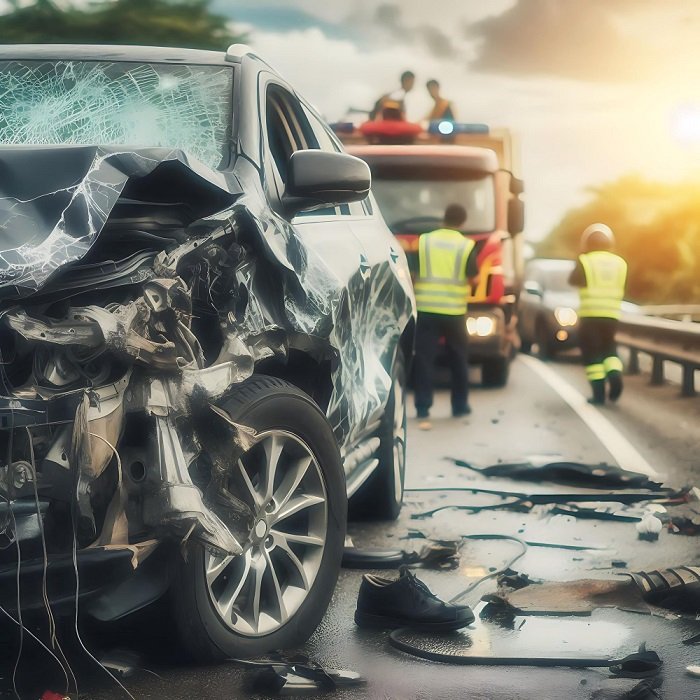
This comprehensive guide walks you through exactly what to do after a car accident—from the first moments right after impact through recovery and vehicle removal. We’ll cover safety steps, legal requirements, what information to collect, and when to call Gardner Towing for professional accident recovery.
Immediately After the Accident: The First 60 Seconds
Step 1: Stay Calm and Assess the Situation
The moments right after an accident are critical. Your first priority is safety—yours, your passengers’, and other people at the scene.
What to do:
- Take a deep breath and try to stay calm
- Quickly assess yourself and your passengers for visible injuries
- Look around to understand what happened
- Check if other vehicles or people are involved
- Notice if there are immediate hazards (fire, smoke, fluid leaks, broken glass)
Important: Do not exit your vehicle immediately if it’s still in traffic or in a dangerous location. Wait for a safe moment.
Step 2: Move to Safety (If Possible)
If your vehicle is operable and you’re in traffic, move it to a safe location. If your vehicle won’t move or you can’t safely move it, stay inside with your seatbelt fastened.
Where to move your vehicle:
- Completely off the roadway into a parking lot or driveway
- To the right shoulder of the highway (away from traffic)
- To a safe area at least 100 feet away from the accident scene
If you can’t move your vehicle:
- Stay inside with doors locked
- Turn on your hazard lights
- Call 911 if anyone is injured
- Wait for emergency responders to arrive
Why this matters: Moving your vehicle reduces the risk of additional accidents. Other drivers won’t know about the accident if your vehicle is still in traffic, which could cause another collision. Every year, secondary accidents at crash scenes injure and kill additional people who should have been safe.
Step 3: Turn On Your Hazard Lights
This is one of the most important safety steps. Hazard lights alert other drivers that there’s a problem.
Also consider:
- Use a reflective triangle or road flares if you have them
- Place them 50, 100, and 200 feet behind your vehicle
- Keep your headlights on (low beam) even during daytime
- Don’t open your trunk or hood unless necessary
Step 4: Check for Injuries
Never move an injured person unless they’re in immediate danger (like if the vehicle is on fire).
If anyone is injured:
- Call 911 immediately
- Don’t move the injured person
- Provide first aid only if you’re trained and it’s safe to do so
- Keep the person warm and reassured until help arrives
If no one is injured:
- Proceed to the next steps
- Still get checked by a doctor within 24 hours—some injuries appear hours later
The First Few Minutes: Safety and Communication
Step 5: Activate Your Emergency Flashers (Again)
Make sure your hazard lights are on and visible to other drivers.
Step 6: Check on Other Drivers and Passengers
If other vehicles are involved and it’s safe to do so, check on the other drivers and passengers.
What to say:
- “Is everyone okay?”
- “Is anyone injured?”
- Don’t discuss who caused the accident at this point
Important: Do not admit fault or apologize for the accident. Simply say: “I’m glad everyone is okay” or “Let’s wait for police to assess the situation.”
Step 7: Move to a Safe Location (If Necessary)
If it’s not safe to stand near the road, move to a safe location away from traffic. This is especially important on busy highways like I-94 or M-140 in Van Buren and Berrien Counties.
Safe locations include:
- Behind a guardrail
- Inside a nearby building
- On a nearby sidewalk or parking lot
- Inside your vehicle with doors locked
Never:
- Stand in traffic
- Stand between vehicles
- Stand with your back to traffic
Call for Help: When to Contact Emergency Services
Step 8: Call 911 If There Are Injuries
Call 911 immediately if:
- Anyone is injured or appears injured
- There’s visible damage to vehicles
- Anyone feels chest pain, difficulty breathing, or confusion
- There’s any possibility of spinal injury
- Anyone is unconscious or unresponsive
- There’s fuel leaking or fire
- Any vehicle is in traffic causing a hazard
When you call 911, tell them:
- “I’ve been in a car accident”
- Your exact location (highway name, direction, mile marker, nearby landmarks)
- Number of vehicles involved
- Number of people injured
- Any visible hazards (fire, fuel leak, power lines down)
911 response in Van Buren and Berrien Counties: Emergency responders typically arrive within 10-15 minutes for injuries on main highways like I-94, longer for rural roads.
Step 9: Call Police for Non-Injury Accidents
In Michigan, you must report accidents to police if:
- Injury has occurred to any person
- Death has occurred
- Property damage is greater than $1,000 (Michigan law)
- Anyone hit a person with their vehicle
- Downed power lines or hazardous materials are involved
For minor property-damage-only accidents (under $1,000):
You can file a police report later or report it to Michigan State Police in writing within 10 days.
When you call police (not 911 for property damage):
- Call your local police department’s non-emergency number
- Provide your accident location and details
- Ask for a police report number
Collecting Critical Information at the Scene
Step 10: Exchange Information with the Other Driver(s)
You must obtain specific information from every other driver involved. Don’t leave the scene without this information.
Get from each driver:
- Full name
- Phone number
- Home address
- Driver’s license number
- Vehicle make, model, year, and color
- License plate number
- Insurance company name
- Insurance policy number
- Vehicle identification number (VIN—found on the driver’s side dashboard or door jamb)
Important: If the other driver refuses to provide information or becomes hostile, stay calm and wait for police to arrive. Do not engage in arguments.
Step 11: Get Witness Information
Witnesses can be critical if there’s a dispute later about how the accident happened.
Get from each witness:
- Full name
- Phone number
- Home address
- Their account of what they saw
- Whether they’d be willing to provide a written statement
Write this information down immediately. Don’t rely on memory—you won’t remember details after an accident.
Step 12: Take Photographs of Everything
Pictures are powerful evidence. Take photos from multiple angles before vehicles are moved (unless they’re blocking traffic and must be moved immediately).
Photograph:
- Overall scene (wide angle showing road, traffic, surrounding area)
- All vehicle damage (multiple angles of each vehicle)
- License plates of all involved vehicles
- Road conditions (wet, dry, icy, debris)
- Traffic signs and signals at the location
- Skid marks or debris on the road
- Your injuries (if any)
- The other driver’s vehicle and license plate
Smartphone tip: Most phones have a timestamp feature. Enable it so photos show the date and time.
Step 13: Document the Location Precisely
Write down or photograph the exact location so you have a clear reference.
Document:
- Highway name and direction (e.g., “I-94 eastbound”)
- Mile marker or nearest cross street
- Nearby landmarks (gas station, business, traffic sign)
- Road conditions at the time
- Weather conditions at the time
- Time of accident
Important Actions at the Scene
Step 14: Don’t Admit Fault
Even if you think the accident was your fault, do not say so at the scene. Let insurance companies and police determine responsibility.
Do not say:
- “I’m sorry”
- “It’s my fault”
- “I didn’t see you”
- “I wasn’t paying attention”
- “I’m not injured” (you might be, just don’t feel it yet)
Do say:
- “I’m glad everyone is okay”
- “Let’s let police and insurance sort this out”
- “I’m not comfortable discussing the accident details right now”
Why this matters: Insurance companies use your statements to assign fault. An apology or admission of fault can be used against you, even if the accident wasn’t entirely your fault.
Step 15: Don’t Sign Anything Except Police Reports
The only document you should sign at the scene is a police report (if police ask you to).
Do not sign:
- Insurance forms from the other driver’s insurance company
- Settlement agreements
- Medical waivers
- Any document you haven’t read completely
You can give: Your contact information to other drivers, but don’t sign anything they give you.
Step 16: Stay at the Scene
Michigan law requires you to remain at the accident scene until police have completed their investigation or it’s safe to leave. Leaving the scene of an accident before police arrive can result in felony charges.
Exception: If it’s extremely dangerous (fire, hazardous materials), you can move a safe distance away but must return to the scene when emergency responders arrive.
After Police Arrive: Next Steps
Step 17: Speak Briefly with Police
Police will ask you questions about the accident. Be honest but brief.
Be prepared to tell police:
- Where you were going
- What you were doing before the accident
- What you saw immediately before impact
- What happened after impact
- Any injuries or damage you noticed
Do not:
- Make up details you don’t remember
- Blame the other driver
- Discuss fault (police will determine that)
- Refuse to cooperate
Step 18: Get the Police Report Number
Ask the police officer for:
- The police report number
- The officer’s name and badge number
- The police department contact information
Why you need this: You’ll provide this to insurance companies. The report number helps them find the official police account of the accident.
Medical and Insurance Actions
Step 19: Get Medical Attention (Even If You Feel Okay)
Many accident injuries don’t appear immediately. Adrenaline can mask pain.
Get checked by a doctor:
- Within 24 hours of the accident, even if you feel okay
- Get documentation of your examination
- Report any pain, numbness, or symptoms you notice
- Tell the doctor you were in an accident
Common delayed injuries:
- Whiplash
- Back pain
- Neck pain
- Headaches
- Internal injuries
Why this matters: Medical records showing you were examined after the accident strengthen any insurance claim for injury-related damages.
Step 20: Call Your Insurance Company
Contact your insurance company as soon as possible—usually within 24-48 hours.
When you call, provide:
- Police report number
- Date and time of accident
- Location
- Other driver’s information
- Brief description of what happened
- Photos (if you took them)
Be honest but brief. Don’t over-explain. Insurance companies assign adjusters to investigate.
Step 21: Don’t Accept the First Settlement Offer
Insurance companies often make low initial settlement offers. You don’t have to accept the first offer.
Before accepting any settlement:
- Get multiple repair quotes
- Document all your expenses (medical, rental car, etc.)
- Consult with an insurance attorney if the accident wasn’t your fault
- Make sure the settlement covers all your losses
Vehicle Recovery and Repair
Step 22: Arrange Vehicle Recovery (If Needed)
If your vehicle can’t be driven after the accident, you need professional recovery service.
Call Gardner Towing for:
- Professional accident recovery – Safe vehicle removal from the accident scene
- Flatbed towing – Protective transport to prevent additional damage
- Heavy-duty recovery – For severe accidents and complex situations
- Winch-out recovery – If your vehicle is off the road or stuck
Why Gardner Towing:
- Available 24/7 for immediate response
- Flatbed trucks prevent damage during transport
- Professional experience with accident scenes
- Can transport to your repair shop or preferred location
- USDOT certified and fully insured
Our accident recovery coverage:
- Covert – Our home base with rapid response
- South Haven – Beach community near I-94
- Paw Paw – Rural areas with complex terrain
- Hartford – Professional recovery specialists
- All surrounding Van Buren and Berrien County communities
- I-94, M-140, US-31 – Major highways with frequent accidents
Step 23: Choose a Repair Facility
You have the right to choose your own repair shop—don’t let the insurance company force you to use their preferred shop.
When choosing a repair facility:
- Get multiple repair estimates
- Choose a shop with good reviews
- Verify they’re certified to work on your vehicle
- Make sure they’ll work with your insurance company
- Ask about warranty on repairs
Step 24: Document Everything
Keep detailed records of all accident-related expenses:
- Medical bills and receipts
- Repair estimates and invoices
- Rental car receipts
- Gas or transportation costs
- Photos and videos
- Police report
- Insurance correspondence
- Any lost wages due to injuries or vehicle recovery
Special Circumstances: What If…
What If the Other Driver Doesn’t Have Insurance?
In Michigan, you’re entitled to Uninsured Motorist (UM) coverage through your own insurance policy. Contact your insurance company—they’ll handle the claim.
What If the Other Driver Leaves the Scene?
This is a hit-and-run accident. If possible:
- Get the other vehicle’s license plate
- Get descriptions (color, make, model)
- Document any debris left at scene
- Call 911 immediately
- Contact your insurance company
Hit-and-run is a serious crime in Michigan.
What If You’re Hit While Parked?
If another vehicle hits yours while parked:
- Document the damage with photos
- Get information from any witnesses
- Call police to file a report
- Contact your insurance company
- Call Gardner Towing for recovery if needed
What If Someone Else Is Injured?
If your accident injures another person (not in a vehicle):
- Call 911 immediately
- Provide first aid if trained and safe
- Get witness information
- Do not move the injured person
- Give your information to police
- Contact your insurance company
- Consider consulting with a lawyer
What If Your Vehicle Rolls Over?
Rolover accidents are serious and require specialized recovery equipment.
Call Gardner Towing immediately:
- Do not attempt to right the vehicle yourself
- Stay in the vehicle if safe (unless fire is a concern)
- Activate hazard lights
- Move away from the vehicle if it’s on fire
- Professional equipment and trained operators are required for safe rollover recovery
When to Call Gardner Towing for Accident Recovery
Call Gardner Towing Immediately If:
Your vehicle is:
- Damaged and can’t be driven
- Stuck off the road in a ditch
- Involved in a rollover accident
- Blocking traffic (for your safety)
- Leaking fuel or fluids
- Involved in a multi-vehicle accident
- In need of professional removal from the accident scene
Call: +1 (269) 519-0528 (Available 24/7)
Our Accident Recovery Services Include:
- Accident Scene Recovery – Professional vehicle removal
- Flatbed Transport – Safe transport to prevent additional damage
- Winch-Out Recovery – Extraction from ditches and difficult locations
- Heavy-Duty Recovery – Specialized equipment for complex situations
- Scene Cleanup – Debris removal and road clearing
Location-Specific Help in Van Buren and Berrien Counties
We Respond to Accidents Throughout the Region
Gardner Towing provides accident recovery services 24/7 in:
- South Haven – Beach community accidents
- Paw Paw – Rural road accident recovery
- Hartford – Professional accident services
- Covert – Our home base, rapid response
- Bangor, Coloma, Watervliet, Lawrence – All surrounding areas
- I-94, M-140, US-31 – Major highways with rapid response capability
Quick Reference: Accident Response Checklist
Immediately After Accident:
- ☐ Stay calm and assess safety
- ☐ Move to safe location (if possible)
- ☐ Turn on hazard lights
- ☐ Check for injuries
- ☐ Call 911 if anyone injured
At the Scene:
- ☐ Exchange information with other drivers
- ☐ Get witness information
- ☐ Take photographs
- ☐ Don’t admit fault
- ☐ Stay at scene until police allow you to leave
After Police Arrive:
- ☐ Get police report number
- ☐ Provide brief statement to police
- ☐ Contact your insurance company
- ☐ Get medical attention within 24 hours
- ☐ Document all expenses
Vehicle Recovery:
- ☐ Call Gardner Towing if vehicle needs recovery
- ☐ Choose repair facility
- ☐ Keep all receipts and documentation
- ☐ Don’t accept first settlement offer
- ☐ Consult insurance attorney if needed
Conclusion: You’re Not Alone After an Accident
Being in a car accident is stressful and overwhelming. By following this guide, you’ll handle the immediate aftermath correctly and protect yourself legally and financially. Remember:
Safety first – Yours and everyone at the scene Don’t admit fault – Let professionals determine responsibility Document everything – Photos, receipts, and information Get medical attention – Even if you feel okay Professional help – Call Gardner Towing for vehicle recovery
When you need professional accident recovery in Van Buren or Berrien County, Gardner Towing is available 24/7 with the equipment and expertise to safely remove your vehicle from the accident scene and transport it to your repair facility.
Contact Gardner Towing for Immediate Accident Help
Phone: +1 (269) 519-0528
Address: 69458 34th Ave, Covert, MI 49043
Hours: Available 24/7 | 365 Days Per Year (Including Holidays)
Website: Visit Gardner Towing
Accident Recovery Services:
- Accident Recovery – Professional vehicle removal from accident scenes
- Flatbed Towing – Safe transport to prevent additional damage
- Winch-Out Recovery – Extraction from ditches and difficult locations
- Heavy-Duty Towing – Specialized equipment for complex recoveries
- Emergency Towing – Rapid response 24/7
Gardner Towing LLC | Covert, MI 49043 | Serving Van Buren County & Berrien County | USDOT #4045375 | Fully Licensed & Insured | Professional Accident Recovery You Can Trust
Related Articles from Gardner Towing
Learn more about accident safety and professional towing:
- Your Complete Guide to Roadside Emergencies – Emergency preparedness and safety
- Winter Driving Safety in Michigan – Prevent accidents in winter
- Flatbed vs Hook Towing – Why flatbed protects your vehicle
- 24/7 Emergency Towing Tips – What to do when stranded
- Roadside Assistance vs Full Towing – Know your options
- Emergency Towing in Benton Harbor – Local emergency services
- Professional Covert Towing Services – 24/7 local expertise